
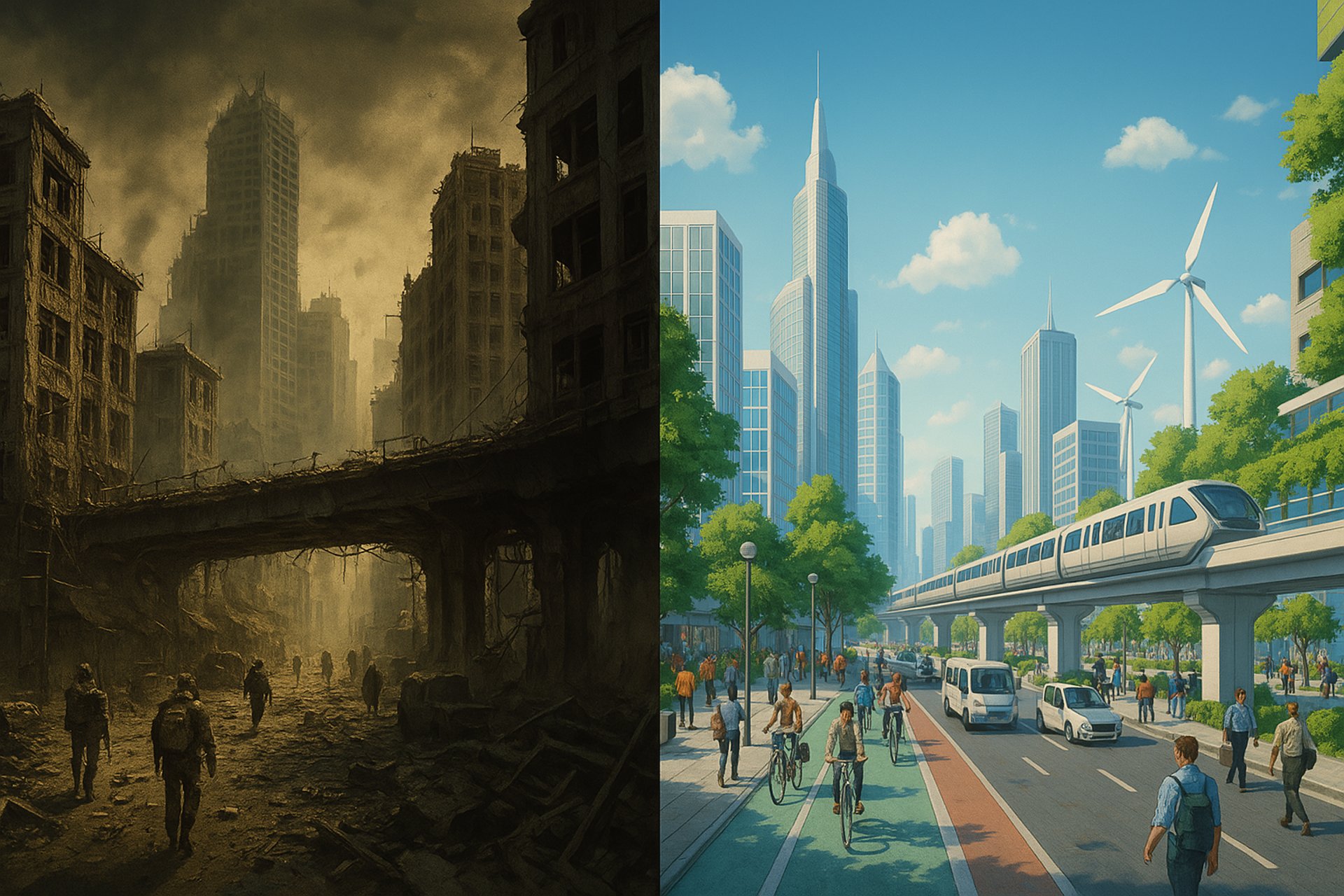
Can You Imagine A Planet Without Sustainability Governance?
Theory of Change
Invisible Carbon builds the inclusive carbon economy by making carbon, nature, and community impacts visible with administrative decision-support systems.
The problem
Legacy systems still treat these as externalities although CO2e disruptions to health, land, and livelihoods create systemic risk across supply chains, labor markets, and local economies, but stay invisible where capital, procurement, and strategy decisions get made.
Theory of Change
Fund Invisible IMPACTs research into overlooked social, ecological, and cultural dimensions that amplify risk when ignored, create opportunity when governed.
Founder
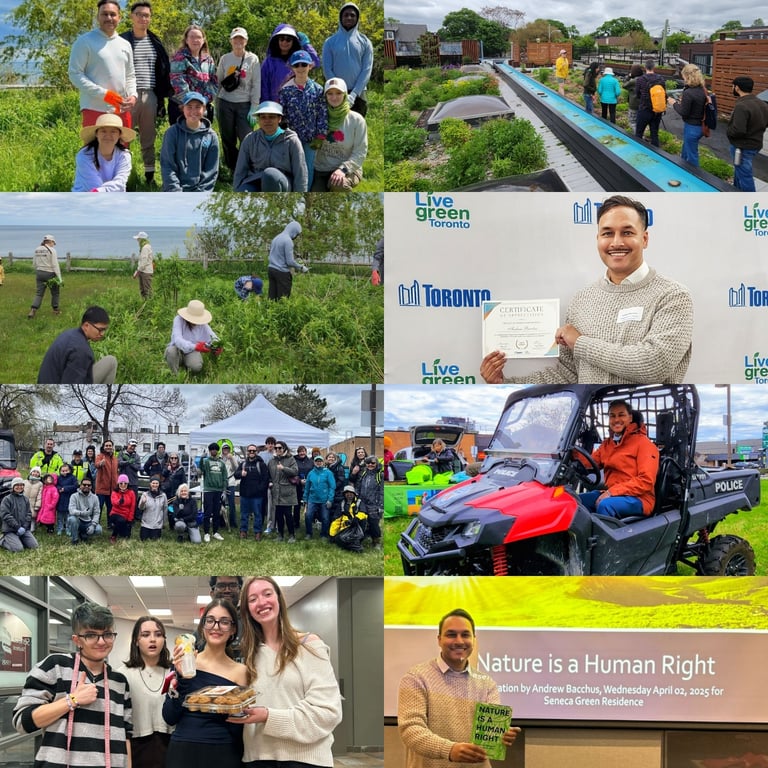
Andrew Bacchus has 15+ years in international economic development, environmental studies, climate research, and sustainability innovation, backed by a Masters in Applied Environmental Studies. Invisible Carbon is scaling with support of the University of Toronto, Climate Drift and WoC North America Early-Founders Circle.
SPECIALIZATIONS
INDUSTRIAL DECARBONIZATION THEORY & PRACTICE; SYSTEMS OF ENVIRONMENTAL ACCOUNTING ; SUSTAINABILITY SCENARIOS & FUTURE STATE; POLITICAL ECOLOGY & CONSERVATION; TECHNOLOGY READINESS LEVELS & CLIMATE; OPEN DATA ANALYSIS
Invisible Carbon
Invisible Carbon — Built-environment decision support for the post-2030 era. 2025, 2026 | Privacy