
Reclaim the intelligence of how we build, within the fragile systems of Earth, our home.
With less than 875 business days to the year 2030, Invisible Carbon applies political ecology and philosophy-tech to the post-2030 built environment by inserting decision-support into how we govern construction, land-use, biodiversity, labour, and the social cost of carbon.
Founded by human in the loop: Andrew Bacchus, Masters Applied Environmental Studies (MAES).
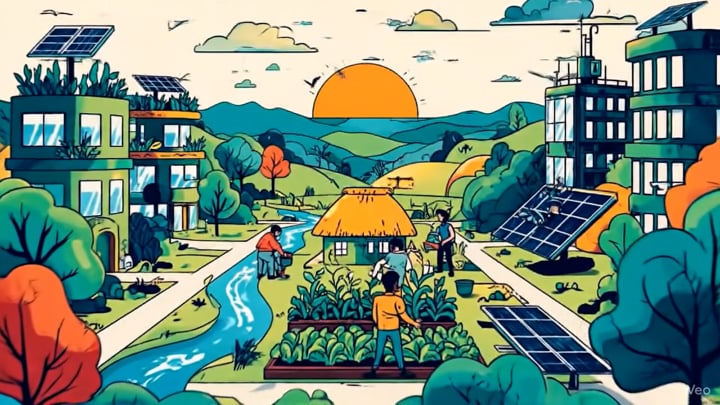
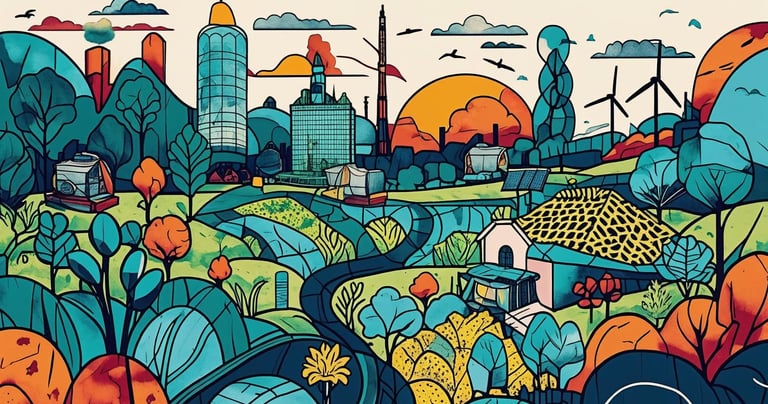
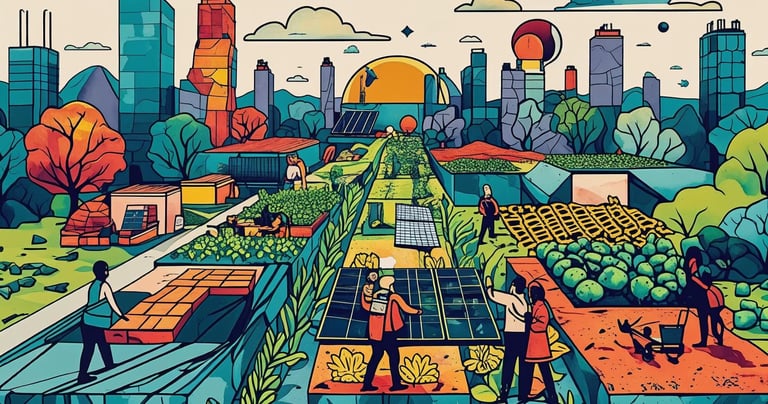
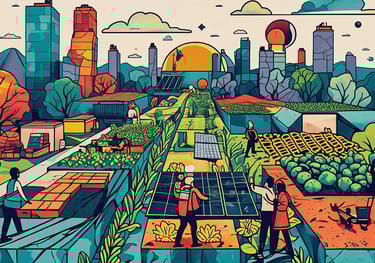
Can blueprints benefit from prototypes?
Sustainability is made both ambiguous and invisible to old economic systems, at times influenced by people without any formal academic training in environment, climate risk, or sustainability. The built environment is a field of decisions that affects emissions, labour, and public outcomes across the whole lifecycle. The post-2030 decision space requires new decision-making prototypes that broaden how the built environment integrates carbon, biodiversity, labour, and public value.
🌿 Surface CO2e and biodiversity costs across operations and supply chains
👥 Embed Gen Z and young worker input into real decision-making
💡 Translate political ecology & social cost of carbon into usable governance
📜 Turn collective regulatory intelligence into accountable strategy
Invisible Carbon
Invisible Carbon — Built-environment decision support for the post-2030 era. 2025, 2026 | Privacy