North America’s Only Worker-Centered Solarpunk Sustainability Agency
Solarpunk Thinking with AI for Real-World Governance™
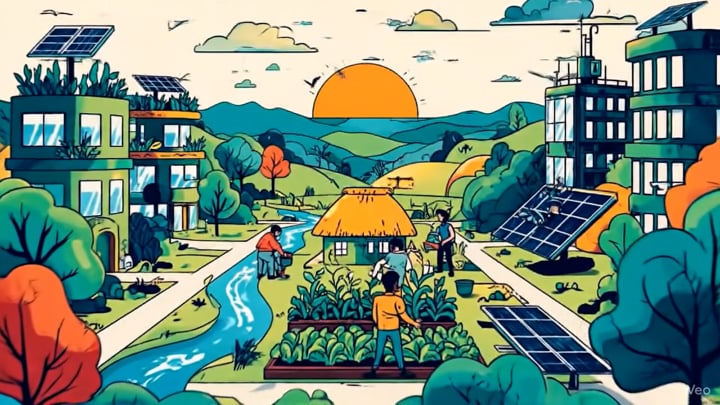
A Solar Punk Approach to Generational Change by:
Mapping biodiversity dependencies and impacts across operations and supply chains, with young worker input from day one
Designing intergenerational governance where Gen Z workers have real decision-making power, not consultation theater
Implementing ISO 17298 (the new global biodiversity standard) in ways that make sense to the generation inheriting the results
Building collective intelligence where young worker knowledge shapes organizational strategy and ecological accountability
Designing prosocial AI systems that address sustainability challenges
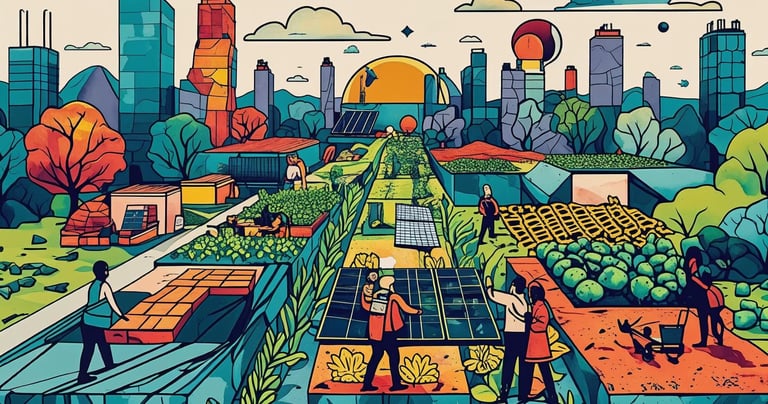
Building Governance Infrastructure for
Just and Sustainable Transitions
Sustainability is made both ambiguous and invisible to old economic systems, even at times influenced by people without any formal academic training in environment, climate risk, or sustainability. Global markets are wiring up digital sustainability passports, competitors are innovating across climate technology readiness levels, regulatory systems are pushing extended producer responsibility, PCF lifecycle data is being tokenized, and governance frameworks led by authentic climate leaders will decide who gets to play and who gets locked out in the future.
Workers have been locked out for decades. Further to that, older governance models treat young workers as implementers of decisions made by people with no stake in the future. Compliance gets filed. Reports are published. Carbon intensity and carbon realities stay invisible across dozens of business functions. Nothing changes. Young workers leave.
This fails because Gen Z and Gen Alpha have the most direct stake in ecological outcomes. Biodiversity isn't abstract for them, it's personal. It is the water quality where they live, the supply chains they work in, the ecosystems their children will inherit, the decisions that get made about all of it. They're not asking for permission to have voice. They expect it.
The next decade belongs to organizations that figure out how to actually empower young workers. Those blind spots of invisible carbon create risk, erode trust, and stall progress. Young workers can see them. They know what needs to change.